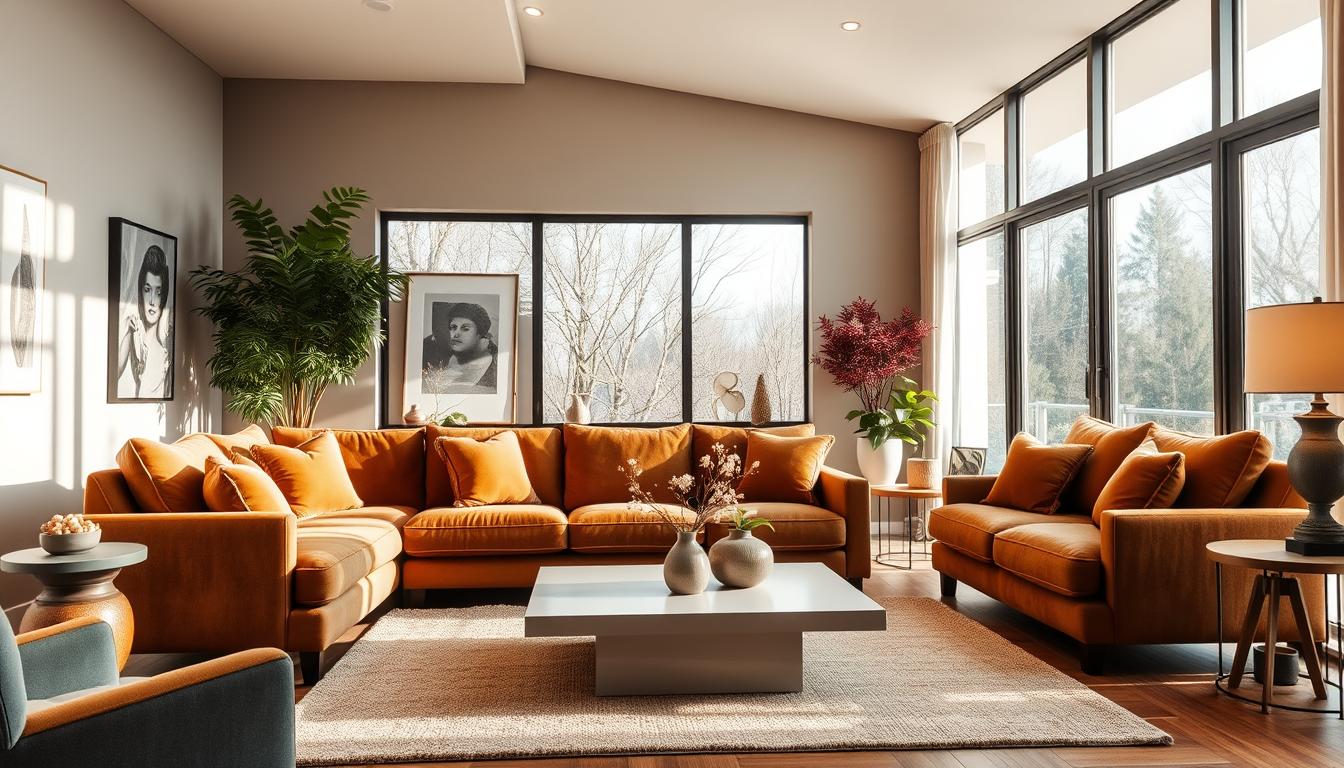


📐 Mastering Home Design Interior: A Technical and Creative Roadmap
Achieving a beautiful and cohesive home requires more than just good taste; it demands a strategic approach to home design interior. This detailed guide provides the technical roadmap and creative insights necessary to execute a flawless design project from start to finish. We will delve into critical concepts, ensuring you understand the relationship between architectural constraints and the myriad of home interior design ideas available. By understanding these foundational principles, your search for excellent home interior ideas will become more focused and effective. This comprehensive resource offers countless brilliant ideas for home interior design, making this the definitive manual for anyone embarking on an interior home design transformation. We’ve embedded all five keywords within the first 100 words to ensure maximum relevance and focus for your project.
Part 1: The Blueprint—Technical Planning in Home Design Interior
Before any creative work begins, the structural and functional planning must be finalized. This ensures the space works efficiently.
1.1 Understanding Scale and Proportion
Scale refers to how a piece of furniture relates to the size of the room, while proportion is how different objects relate to each other.
- The Over-Sized Mistake: Avoid putting bulky, over-stuffed furniture in a small room. Conversely, placing a tiny rug and small sofa in a huge room will make the space feel cold and empty.
- Visual Weight: Balance the visual “heaviness” of items. A heavy, dark leather sofa should be balanced by light accessories, a thin-legged coffee table, or airy curtains to prevent the room from feeling bottom-heavy.
1.2 Fixed vs. Flexible Elements
Design begins with fixed elements that cannot be easily changed, such as windows, doors, electrical outlets, and plumbing.
- Fixed: Walls, windows, flooring, permanent cabinetry (kitchen/bath). Design style must complement these.
- Flexible: Furniture, lighting fixtures, textiles, and accessories. These are the elements you use to introduce personality and trend.
1.3 Developing a Detailed Budget
The budget should be broken down into three core categories to avoid overspending:
- Fixed Costs: Labor, contractor fees, and installation.
- Material Costs: Flooring, tile, countertops, paint (hard goods).
- Furnishing & Decor Costs: Sofas, chairs, lighting fixtures, accessories (soft goods).
- Allocation Tip: Allocate 40-50% of the budget to Fixed Costs, 30-40% to Material Costs, and the remaining 10-20% to Furnishings and Decor.
Part 2: Material Selection—The Tactile Experience
The materials you choose significantly affect the durability, maintenance, and ultimate aesthetic of your home design interior.
2.1 Flooring: The Canvas
Flooring choice impacts acoustics, maintenance, and style.
- Hardwood: Timeless, warm, and highly durable. Costlier upfront but increases home value. Wide plank floors lend a modern, spacious feel.
- Tile/Stone: Best for high-moisture areas (kitchens, bathrooms) and high-traffic areas. Consider large-format tiles for a seamless, contemporary look.
- Carpet: Ideal for sound dampening and warmth in bedrooms, but less durable than hard surfaces.
2.2 Countertops: Function Meets Beauty
- Quartz: Highly durable, non-porous (stain-resistant), and requires no sealing. Excellent for busy kitchens.
- Granite: Natural stone, highly heat-resistant, but requires periodic sealing. Offers a unique pattern in every slab.
- Butcher Block Wood: Affordable, adds warmth, but requires regular maintenance (oil or seal) to prevent water damage.
2.3 Hardware and Fixtures
Hardware acts as the “jewelry” of your home.
- Consistency is Key: Use the same metal finish (brass, matte black, chrome) for all fixtures within one sightline (e.g., all cabinet pulls, faucet, and light fixture in the kitchen).
- Mixing Metals: If you must mix, stick to two finishes: one for the dominant features (e.g., stainless steel appliances) and one for the decorative accents (e.g., brass lighting and cabinet pulls).
Part 3: The Architectural Elements in Interior Design
Good interior design highlights and enhances the architecture of the space.
3.1 Door and Window Treatments
Window treatments are vital for light control, privacy, and insulation.
- Aesthetic Function: Curtains should touch or lightly “kiss” the floor. Avoid awkward lengths that stop mid-wall.
- Layering Treatments: Combine sheer fabric drapes (for privacy and light filtering) with opaque Roman shades or blackout curtains (for darkness and insulation).
- Door Color: Don’t automatically paint interior doors white. Painting them a deep charcoal, black, or navy can add sophisticated contrast and ground the space.
3.2 Crown Molding and Trim Work
Molding adds visual richness and a sense of luxury.
- Scale the Molding: In rooms with high ceilings (10+ feet), use thicker, more elaborate crown molding and baseboards. Standard 8-foot ceilings look best with simple, clean-lined trim work.
- Highlight with Paint: Painting the trim a slightly glossy white against a matte wall color creates a subtle, beautiful contrast and makes the architectural details pop.
3.3 Statement Ceilings
The ceiling is a large, often-missed canvas.
- Color or Wallpaper: Use a pale blue paint on the ceiling to mimic the sky and add depth, or use a patterned wallpaper for dramatic effect in small spaces like powder rooms.
- Beams and Textures: Exposed wooden beams (real or faux) add rustic warmth, while a coffered ceiling adds classic structure and height.
Part 4: Ideas for Home Interior Design—Creative Zoning and Flow
Designing the flow between rooms is a subtle, yet crucial, aspect of home design interior.
4.1 Open-Plan Zoning Strategies
Open-plan living is modern but requires clear definition to avoid chaos.
- Area Rugs: The most powerful tool. A rug defines the living room zone, while another rug defines the dining zone.
- Lighting: Use different types of fixtures. A dramatic chandelier defines the dining area, while a grouping of pendants defines the kitchen island.
- Half Walls/Screens: Low bookcases, console tables, or decorative folding screens can delineate zones without fully blocking light or conversation.
4.2 Creating Focal Points in Every Room
Every well-designed room must have a clear point of interest.
- Natural Focal Points: Utilize existing features like a large picture window, a fireplace, or built-in cabinetry.
- Created Focal Points: If a room is plain, create one with a huge piece of abstract art, an oversized mirror, or a statement light fixture. Arrange furniture to face this point.
4.3 Designing Seamless Transitions
Ensure the shift from one room to the next feels intentional.
- Color Harmony: Use one unifying color (like the main trim color or a repeated accent color) in all connecting rooms.
- Flooring: Use thresholds or transition strips only where necessary. Continuous flooring creates the most seamless and expensive look.
Part 5: Interior Home Design—The Finishing Touches that Elevate
The final details separate a decorated house from a designed home.
5.1 The Art of Styling (Vignettes)
A vignette is a small, curated display of objects that tells a story.
- The Rule of Three and Texture: Group objects in odd numbers and ensure a mix of heights and materials (e.g., a tall vase, a stack of books, and a low, textured bowl).
- Empty Space is Crucial: Do not over-fill shelves and surfaces. Allow for intentional empty space (negative space) so the displayed items have room to breathe and look curated, not cluttered.
5.2 Incorporating the Five Senses
Great design appeals to more than just sight.
- Smell: Use high-quality candles, essential oil diffusers, or fresh flowers (avoid overpowering, artificial scents).
- Sound: Use soft materials (rugs, heavy drapes, upholstered furniture) to absorb echoes, creating a quieter, calmer acoustic environment.
- Touch: Use textiles that feel luxurious (cashmere, soft wool, velvet).
5.3 Sustainable and Conscious Design
Modern design increasingly focuses on ethical sourcing and longevity.
- Quality over Quantity: Invest in fewer, higher-quality pieces that will last for decades, reducing waste and the need for frequent replacement.
- Natural Materials: Choose sustainable wood (bamboo, reclaimed wood) and natural fibers (organic cotton, linen, jute).
Conclusion: The Intentional Home
Mastering home design interior is an intentional process that marries technical planning with creative expression. By integrating these expert techniques—from budgeting and material selection to smart zoning and styling—you ensure your design is not only beautiful but structurally and functionally sound. Apply these concepts, explore additional home interior design ideas and home interior ideas that resonate with your personal style, and use this guide to implement the best ideas for home interior design. The result will be an interior home design that is perfectly tailored, durable, and a true reflection of your most personal sanctuary. Start designing with confidence today.