

🌟 Interior Home Decor Ideas: Simple Changes for Stunning Rooms
Interior home decor is the exciting stage where a house truly transforms into a home. It’s the layer of personality, warmth, and style that sits atop the functional structure of interior design. Whether you’re starting fresh or just looking for a seasonal refresh, the right interior home decor ideas can instantly elevate your space, making it look professionally styled and feel incredibly comfortable.
This extensive guide goes beyond simple tips, exploring the fundamental principles of decoration—color, texture, light, and arrangement—to help you craft rooms that are not just beautiful, but also a true reflection of your taste and lifestyle.
🎨 Mastering the Core: Color and Texture
The most impactful decor changes involve the sensory elements of color and touch.
- The Cohesive Color Palette
A common mistake in decorating is using too many disconnected colors. A professional space uses a cohesive palette based on the “Rule of Three”:
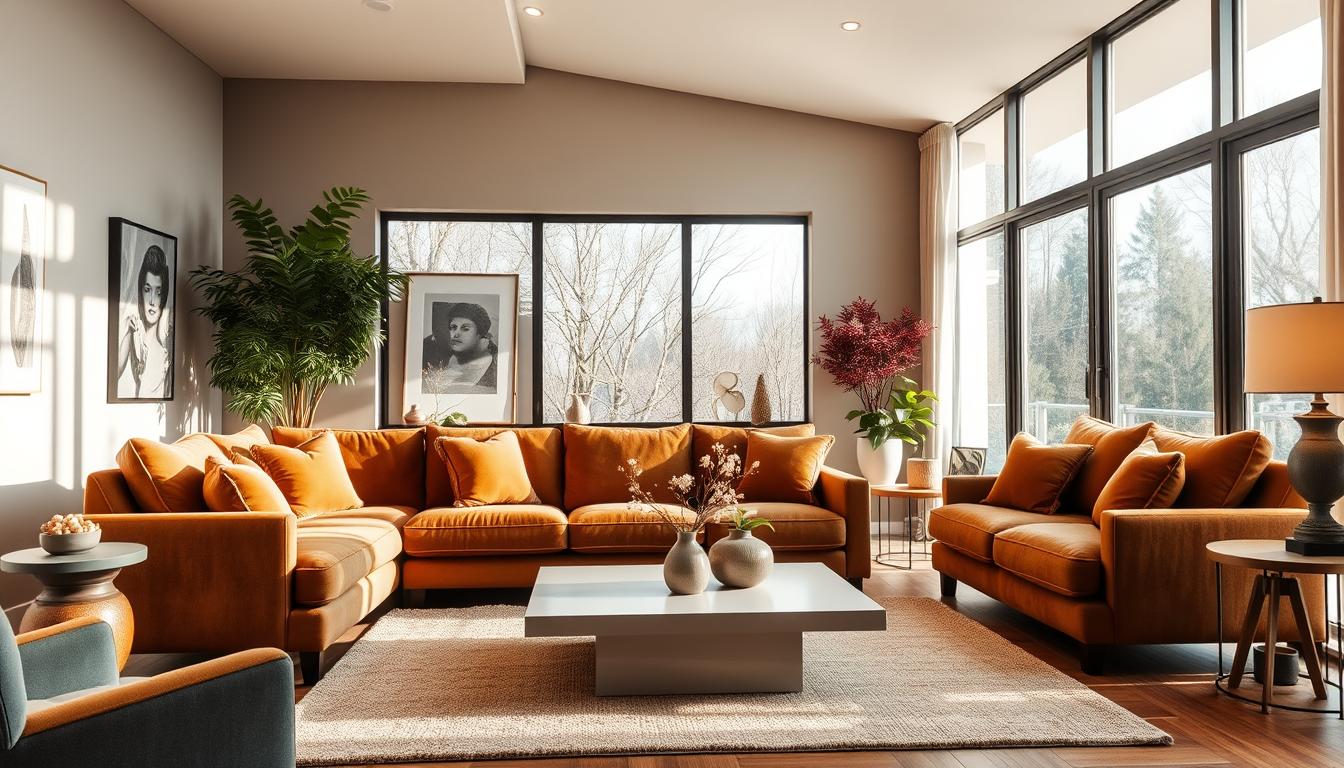
- Primary (60%): The dominant neutral color (walls, large furniture). Think soft gray, white, or cream.
- Secondary (30%): A complementary color for depth (rugs, accent chairs, curtains).
- Accent (10%): A bold, high-impact color (throw pillows, artwork, vases). This color should repeat in small touches around the room for visual harmony.
- Layering Textures for Depth
A room that is monochromatic (using only one color, like white or gray) can look flat without texture. Texture adds visual weight and warmth. Use the following combos:
- Soft: Velvet, faux fur, or knitted throws.
- Rough: Jute rugs, woven baskets, or raw wood furniture.
- Smooth: Metal (brass, stainless steel), glass, or polished stone.
- Tip: Mix them generously! A smooth leather sofa looks instantly cozier with a chunky wool throw.
- The Ceiling: The Forgotten Decor Element
Often overlooked, the ceiling is the fifth wall. Try painting it a color that is one shade lighter or darker than the walls to add dimension, or use a subtly textured wallpaper (like grasscloth) for a high-end, bespoke look.
🖼️ Wall Decor: Creating Visual Interest
Walls offer the largest space to inject personality. They should anchor the room’s style.
- The Gallery Wall That Works
A successful gallery wall feels curated, not chaotic.
- Choose a Theme: Stick to a theme (e.g., all black-and-white photography, or all watercolor art) or a single frame color (e.g., all gold or all natural wood).
- Start with the Center: Hang the largest piece of art first, slightly below eye level.
- Layout on the Floor: Before drilling, lay out all your frames on the floor and adjust the spacing until it looks perfect. Keep spaces between frames tight (2-3 inches).
- Large-Scale Statement Art
Instead of many small pieces, sometimes one oversized piece of art is more dramatic. A large canvas placed over a sofa or fireplace acts as an instant focal point, setting the mood and color story for the entire room.
- Architectural Details
If your home lacks character (like plain drywall), you can easily add it with decorative molding. Install simple picture rail, wainscoting, or crown molding. Even painting a thin, bold line of color around the top of the wall can mimic molding and add sophistication.
🛋️ Furniture and Accessories: Arranging for Comfort
The best interior home decor ideas involve making your existing furniture feel more intentional.
- The Perfect Coffee Table Vignette
A “vignette” is a small, styled grouping of objects. For your coffee table, use the “Rule of Three” (or five):
- Something Tall: A vase with flowers, a sculpture, or a beautiful candle holder.
- Something Flat: A stack of curated coffee table books (choose books based on color and topic).
- Something Organic: A small plant or a bowl of stones/shells.
- Group Them: Place these items neatly on a decorative tray to make them look cohesive.
- The Power of the Throw Blanket
A simple throw blanket can soften the look of any sofa or chair. Drape it casually over one arm of the sofa, letting it pool slightly on the floor, rather than folding it too neatly. Choose materials like linen, wool, or cashmere for maximum texture.
- Layering Area Rugs
If you have a small rug you love, but it’s too small for the room, don’t discard it! Layer it over a larger, inexpensive neutral rug (like a jute or sisal rug). This adds texture, warmth, and a high-end, designer feel.
💡 Utilizing Light and Nature
Light and living elements are essential to great interior home decor ideas.
- The Tri-Level Lighting Strategy
A professionally decorated room uses three heights of light to eliminate harsh shadows and create atmosphere:
- Overhead: Chandeliers or recessed lights (Ambient).
- Mid-Level: Floor lamps or table lamps (Task/Accent).
- Low-Level: Candles or tiny uplights on the floor behind a plant (Mood).
- Mirrors for Maximum Impact
Mirrors are not just for checking your outfit. They are powerful decor tools.
- Placement: Place a mirror directly opposite a window to bounce natural light deep into the room.
- Scale: Use large, oversized mirrors. They look dramatic and make the space feel significantly larger.
- Greenery and Florals
Plants are a non-negotiable decor element. They bring life, color, and a sense of calm.
- Vary the Heights: Group plants of different sizes and in different types of planters (ceramic, terracotta, metal).
- Faux vs. Real: If you struggle to keep plants alive, invest in one high-quality, realistic-looking faux plant for a darker corner.
Conclusion: Decorating with Intention
Effective interior home decor ideas are all about decorating with intention. Instead of buying random items, consider how each piece—from a throw pillow to a piece of art—contributes to the overall feeling, color story, and texture of the room.
By mastering the use of color, strategically layering textures, and arranging your accessories with care, you can transform ordinary rooms into sophisticated, welcoming, and memorable spaces that you love coming home to. Start by making one simple change today and watch your home evolve.