

Did you know a well-designed interior can boost a home’s value by up to 10%? This shows how crucial interior design ideas are in changing living spaces. We think everyone should live in a beautiful and useful home.
We’ll show you how to improve your homes interiors with expert advice and cool ideas. Our tips will help you create a space that shows your personality and meets your needs.
Exploring interior design can help you turn your house into a dream home. We aim to give you the knowledge and inspiration to make smart choices about your living space.
Key Takeaways
- Discover the impact of interior design on home value
- Explore expert tips for elevating your home’s interior
- Learn how to create a functional and beautiful living space
- Understand the importance of personalized interior design
- Get inspired to transform your house into a dream home
Understanding the Essentials of Homes Interiors
Home decor is all about creating a beautiful and functional space. A well-designed home is not just pretty. It must also be comfortable and useful.
Good interior design balances many elements for a harmonious space. William Morris once said,
“Have nothing in your houses that you do not know to be useful or believe to be beautiful.”
This quote shows the importance of both looks and function in design.
What Makes a Great Interior Design?
A great design mixes style with usefulness. It picks furniture, colors, and decor that look good and work well. Room styling is an art that needs to understand how elements work together.
To get a great design, think about the room’s flow, colors, and furniture. A good color scheme can make a room feel bigger or cozier, depending on what you want.
The Importance of Style and Functionality
In decorating, style and function go hand in hand. They make a home both beautiful and practical. Style gives a home its character, while function keeps it comfortable for everyday use.
For example, choosing furniture that does more than one thing can make a room more useful without losing style. Adding decor that also has a practical use, like storage ottomans, can enhance the look while keeping things organized.
Choosing a Color Palette for Your Home
A well-chosen color palette can make your home feel more welcoming and harmonious. It’s important to think about how colors look and how they make you feel.
Popular Color Trends for 2023
This year, we’re seeing a shift towards calming and sustainable colors. Some top trends include:
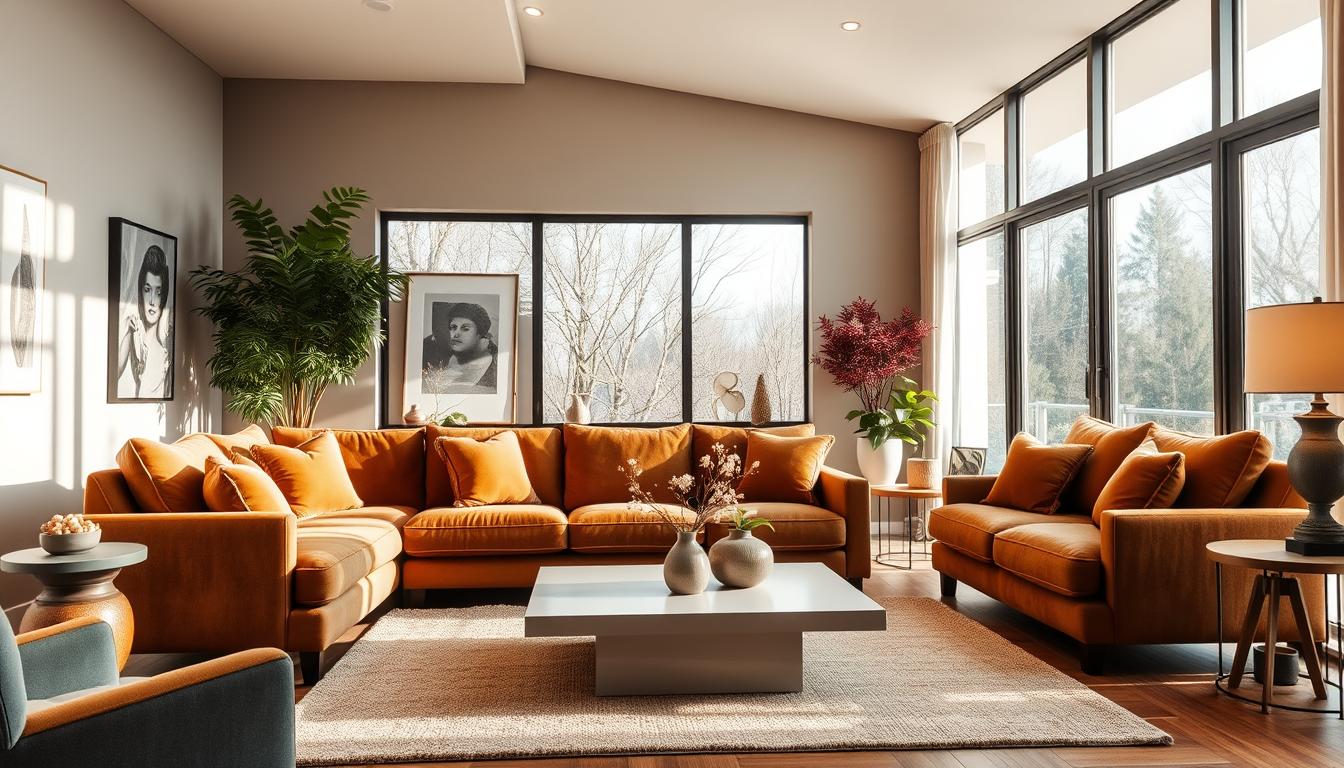
- Earth Tones: Shades of green, terracotta, and sandy beige are popular for creating a natural and serene atmosphere.
- Soft Pastels: Gentle hues of pastel colors are being used to add a touch of softness and whimsy to rooms.
- Deep Blues: Rich blues are favored for their ability to add depth and sophistication to interiors.
How Colors Influence Mood and Space
Colors have a big impact on our mood and how we see space. For example:
- Light Colors: Can make a room appear larger and more airy, promoting a sense of openness and clarity.
- Dark Colors: Can create a cozy and intimate atmosphere, but may make a room feel smaller if overused.
- Warm Colors: Such as oranges and reds, can stimulate energy and warmth, ideal for living areas and kitchens.
- Cool Colors: Like blues and greens, can have a calming effect, making them perfect for bedrooms and bathrooms.
By understanding the impact of different colors, we can choose a palette that not only looks great but also enhances the functionality and feel of our home.
Selecting Furniture That Fits Your Space
Finding the right furniture is key to a great home. It’s not just about style. You also need to think about how it works and fits in the room.
Arranging Furniture for Maximum Space
When arranging furniture, start with the room’s main focus. This could be a fireplace or a beautiful view. Place your furniture around it.
Choose furniture that can do more than one thing. For example, a storage ottoman or a coffee table with storage helps keep things tidy. This makes your room look better and feel more open.
For small spaces, furniture with legs is a good choice. It lets you see under the piece, making the room seem bigger. Also, make sure there’s enough room to move around easily.
Multipurpose Furniture for Modern Homes
Using multipurpose furniture is smart for modern homes. Look for items like a sofa bed or a desk with storage. These save space and look good too.
Some current furniture trends include modular pieces that can change up. Also, adding home accessories that are also decorative is popular.
The Role of Lighting in Home Interiors
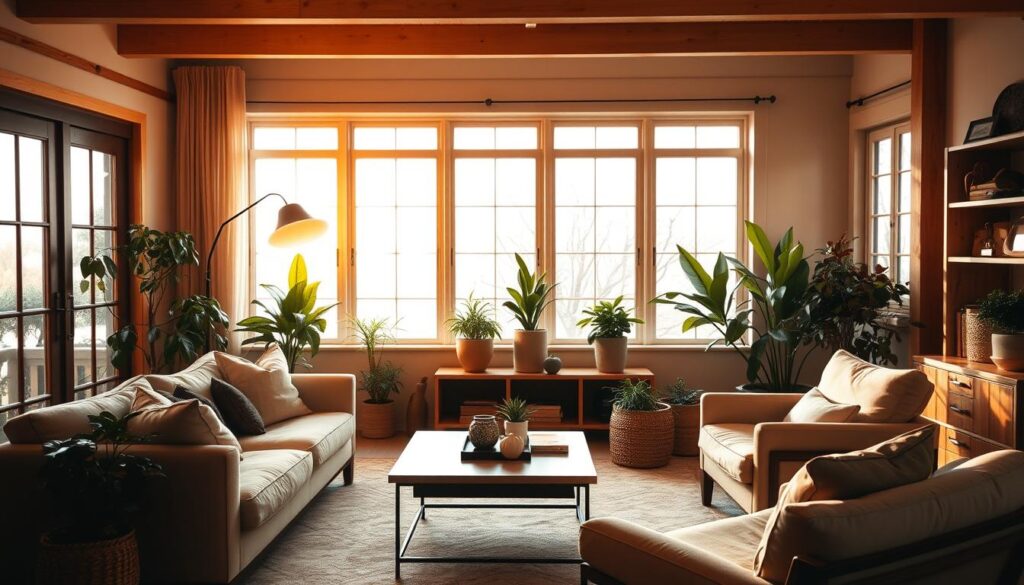
The right lighting can change a space, making it key for room styling and interior design. Lighting does more than just light up a room. It sets the mood and feel, affecting how we see and use our space.
Types of Lighting to Consider
To get a well-lit space, knowing the different lighting types is important. These include:
- Ambient Lighting: Gives overall light, making the space feel cozy and inviting.
- Task Lighting: Focuses on areas for tasks, like reading or cooking.
- Accent Lighting: Shows off special features, like artwork or design elements, adding depth.
Layering these lighting types can make your home balanced and welcoming.
How to Create Ambiance with Lights
Creating ambiance with lighting is more than picking the right lights. It’s about how light works with the space and people. Here are some tips:
- Use dimmer switches to change light levels for different times and activities.
- Choose warm-toned lighting for a cozy and calming feel.
- Use accent lighting to highlight special features or decor, adding character.
By carefully layering and controlling your lighting, you can greatly improve your home’s ambiance. This makes your home more enjoyable and comfortable.
Incorporating Textiles and Fabrics
Using textiles and fabrics in interior design is an art. It blends function with style. Textiles can change a room’s feel, making it cozier, more inviting, or larger.
When picking fabrics for your home, think about looks and use. Different rooms need different fabrics. For busy areas, choose durable ones. For less used spaces, go for luxurious ones.
Choosing the Right Fabrics for Your Home
Choosing the right fabric means looking at texture, color, and durability. For furniture, microfiber or crypton are great because they don’t stain or wear out easily. For curtains, pick lighter fabrics to let in more light.
Here’s a simple guide to fabric selection based on room type:
| Room Type | Recommended Fabric Type | Key Features |
|---|---|---|
| Living Room | Durable fabrics like microfiber | Resistant to stains and wear |
| Bedroom | Luxurious fabrics like silk or velvet | Soft, elegant, and comfortable |
| Kitchen | Easy-to-clean fabrics | Resistant to stains and moisture |
Layering Textiles for Visual Interest
Layering different textiles adds depth and interest to a room. Mix textures, patterns, and colors. For example, a leather sofa with a chunky throw and velvet pillows looks great together.
To layer textiles well, start with furniture, then add throw blankets and pillows. Finish with curtains or rugs. The goal is to mix elements for a cohesive yet interesting space.
By carefully choosing and layering textiles, you can make your home both beautiful and comfortable. It becomes a space that truly reflects you.
Maximizing Small Spaces with Design
In the world of modern interiors, making the most of small spaces is an art. We know how tough it is to design for tight areas. We’re here to share how to boost functionality without losing style.
One key strategy for small spaces is using innovative storage solutions. This helps keep clutter away and makes the space feel open. Let’s look at some smart storage ideas.
Innovative Storage Solutions
For storage in small spaces, think outside the box. Choose multi-functional furniture that does more than one thing. For instance, a storage ottoman can be a seat and a place to stash items like linens or toys.
- Use wall-mounted shelves to clear floors and use vertical space well.
- Invest in furniture with built-in storage, like beds with drawers or coffee tables with hidden spots.
- Think about hidden storage, like under-bed bins or secret spots in furniture.
These storage solutions can greatly improve small spaces, making them feel bigger and design inspiration can be seen everywhere.
Opting for Open Floor Plans
Another smart move for small spaces is to go for an open floor plan. Fewer walls and partitions make the area feel larger and more open.
Open floor plans also let you create different areas within one space. Use furniture and lighting to set up zones for living, dining, and cooking.
By mixing innovative storage with open floor plans, we can make small spaces both functional and stylish. They become full of design inspiration.
Creating a Focal Point in Each Room
A stunning interior starts with a focal point that catches the eye. This could be a statement piece of furniture or a bold art piece. It anchors the room and adds character.
Ideas for Eye-Catching Centerpieces
Centerpieces can bring personality to your room. Here are some ideas for eye-catching centerpieces:
- A vase filled with fresh flowers or branches
- A decorative bowl or tray filled with ornaments or candles
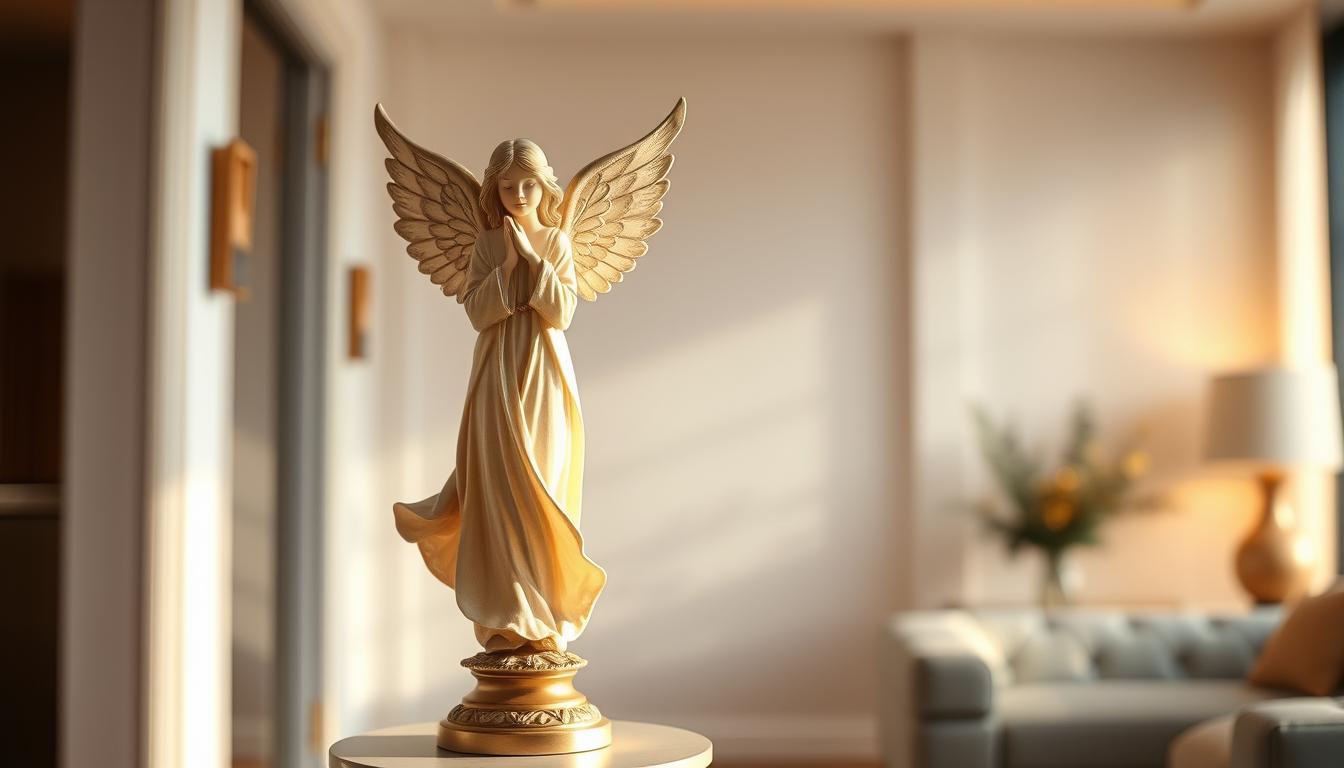
- A sculpture or figurine that reflects your personal style
Choose a centerpiece that fits the room’s scale and decor style.
The Power of Wall Art and Decor
Wall art and decor can change a room, adding texture and color. Here are some ways to make the most of wall art and decor:
| Style | Description | Impact |
|---|---|---|
| Abstract Art | Bold, colorful, and expressive pieces that add energy to a room | Creates a dynamic and engaging atmosphere |
| Photography | Personal and evocative images that tell a story or evoke a mood | Adds a personal touch and can spark conversation |
| Textile Art | Tapestries, quilts, or other fabric pieces that add texture and warmth | Brings coziness and depth to a room |
Thoughtful wall art and decor can create a focal point. This enhances your space’s overall look.
Creating a focal point means balancing bold and subtle elements. This way, you make a space that’s both harmonious and reflects your style.
Sustainable Interior Design Practices
Environmental issues are becoming more pressing, making sustainable home design crucial. We aim to make our living spaces both beautiful and functional. It’s vital to think about how our design choices affect the environment.
Using eco-friendly materials is a key part of sustainable design. These materials help reduce our environmental impact and make our homes healthier.
Eco-Friendly Materials We Love
There are many eco-friendly materials for interior design. Some of our favorites include:
- Reclaimed wood, which adds history and character to any room.
- Bamboo, a renewable resource great for flooring and furniture.
- Low-VOC paints, which improve air quality indoors.
- Recycled glass, perfect for countertops and decor.
These materials support sustainable living and add unique beauty to spaces.
Tips for Reducing Your Carbon Footprint
To lower the carbon footprint of our designs, we can use several strategies. Here are a few tips:
- Use energy-efficient lighting like LED bulbs.
- Choose materials from local sources to cut down on emissions from transport.
- Invest in furniture made from sustainable materials or with minimal waste.
- Think about repurposing or upcycling furniture and decor.
By following these tips, we can greatly reduce the environmental impact of our designs.
| Eco-Friendly Material | Benefits | Applications |
|---|---|---|
| Reclaimed Wood | Reduces waste, unique aesthetic | Flooring, furniture, wall decor |
| Bamboo | Highly renewable, durable | Flooring, furniture, blinds |
| Low-VOC Paints | Improves indoor air quality | Walls, ceilings, trim |
By adopting sustainable design practices, we help the planet and create homes that are both stunning and eco-friendly.
Personalizing Your Space
Personalizing your home is a journey of self-expression. It turns a house into a haven that tells your story. We explore how to make a house feel like home by reflecting your personality through design.
Showcasing Your Personality
One way to personalize your space is by adding elements that show your interests. For example, if you love to travel, display souvenirs or maps from your trips. This adds a personal touch and sparks interesting conversations.
Also, home decor that shows your personality can make your home feel more welcoming. Use vintage furniture, modern art, or family photos to create a space that feels truly yours.
The Impact of Family Heirlooms
Adding family heirlooms to your room styling brings emotional depth to your home. These items hold sentimental value and share stories of the past.
Family heirlooms can be anything from antique furniture to vintage clothing. Displaying them thoughtfully adds history and warmth to your home. It makes your space feel more personal and inviting.
When using family heirlooms, think about how to showcase them in a way that honors their significance. You might create a special display area or blend them into your decor in a meaningful way.
Trends in Outdoor Interiors
Today, homeowners are making their patios and gardens cozy retreats. They’re turning outdoor spaces into places that feel like home. This trend combines modern design with the beauty of nature.
Cozy Outdoor Living Spaces
Creating cozy outdoor spaces is more than just furniture. It’s about making a place where you want to relax and have fun. We use comfy seating, warm lights, and weather-resistant textiles to achieve this.
Adding outdoor heaters, fire pits, or chimineas makes spaces warmer and more inviting. They become the heart of your outdoor area. Also, plants and greenery add a natural touch, making the space even cozier.
Incorporating Nature into Your Homes
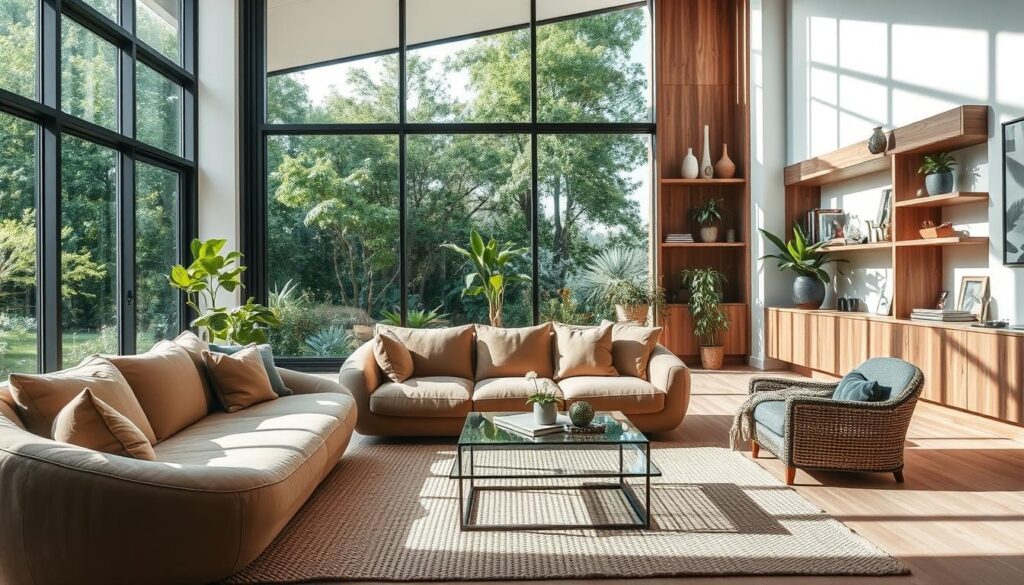
Bringing nature into your home is a big trend. We use natural materials like reclaimed wood, stone, and woven fibers. These add warmth and texture, blending indoor and outdoor spaces.
Plants and green walls are key to this. They clean the air, look great, and connect indoor and outdoor areas. Choose plants that fit your local climate to save on upkeep.
| Element | Indoor Use | Outdoor Use |
|---|---|---|
| Natural Materials | Reclaimed wood furniture, stone decor | Wooden decking, stone pathways |
| Plants | Indoor plants, green walls | Potted plants, garden beds |
| Lighting | Table lamps, floor lamps | String lights, outdoor lanterns |
By following these trends, we can make outdoor spaces beautiful and functional. Whether updating your patio or adding plants indoors, the goal is to blend modern design with nature.
Maintaining Your Interior Design
To keep your home looking great, regular care is key. This means dusting and polishing furniture, cleaning or swapping out textiles, and keeping your design fresh and lively.
Tips for a Refreshing Update
Updating your space can be easy. Try rearranging furniture or adding new accessories. You could also bring in seasonal decor or change throw pillows for a new look. For bigger changes, look into new decorating trends to spark your next project.
Knowing When to Redesign
If your home’s style feels old or doesn’t match you anymore, it’s time for a change. Look for ways to make your space new again with fresh ideas or professional help. Check out liainterieur.com for DIY tips to improve your home’s look.
By keeping up with maintenance and being open to change, you can have a beautiful and useful home that always meets your needs.